Features
Custom bento gallery builderAdmins can construct bento-style image grids for each project, controlling how individual images are sized and arranged within the layout.
Dual content collectionsProjects and Insights are managed as distinct but related collections, giving Lemon a clean separation between portfolio work and blog content.
Cross-collection tagging and searchA shared tag system spans both main collections, powering a search bar that lets visitors filter content across the entire site.
Semi-randomized bento listing pagesCustom logic drives the varied bento layouts used on project and insight listing pages.
Lemon Creative Studio's website is a custom-built platform I developed to give the design studio a robust, flexible way to administer and showcase their portfolio of work. Lemon needed more than a typical CMS could offer, and Payload's flexibility made it possible to build exactly around their content structure rather than forcing their work into a rigid template.
The core challenge was data structure, particularly around the image galleries attached to each project. Traditional CMS gallery fields tend to assume a simple, uniform layout, but Lemon's projects called for something far more dynamic. To solve this, I built a custom gallery builder that lets admins construct bento-style grids for each project, choosing how individual images appear and sit within the layout, giving Lemon full creative control over how each project is visually presented.
On the content side, the CMS is organized around two main collections: Projects, showcasing Lemon's design work, and Insights, a blog-style collection where the studio shares articles and updates. A shared tagging system spans both collections, powering a search bar that lets visitors filter and discover content across projects and insights alike.
Beyond the CMS, a major part of this project was faithfully implementing Lemon's distinctive front-end design. Their listing pages use semi-randomized bento grids that needed to feel intentional and polished, and irregular background shapes are used throughout to separate page sections in a way that breaks from conventional straight-edged layouts. Translating those design decisions into a performant, maintainable Next.js front end took as much care as the backend architecture itself.
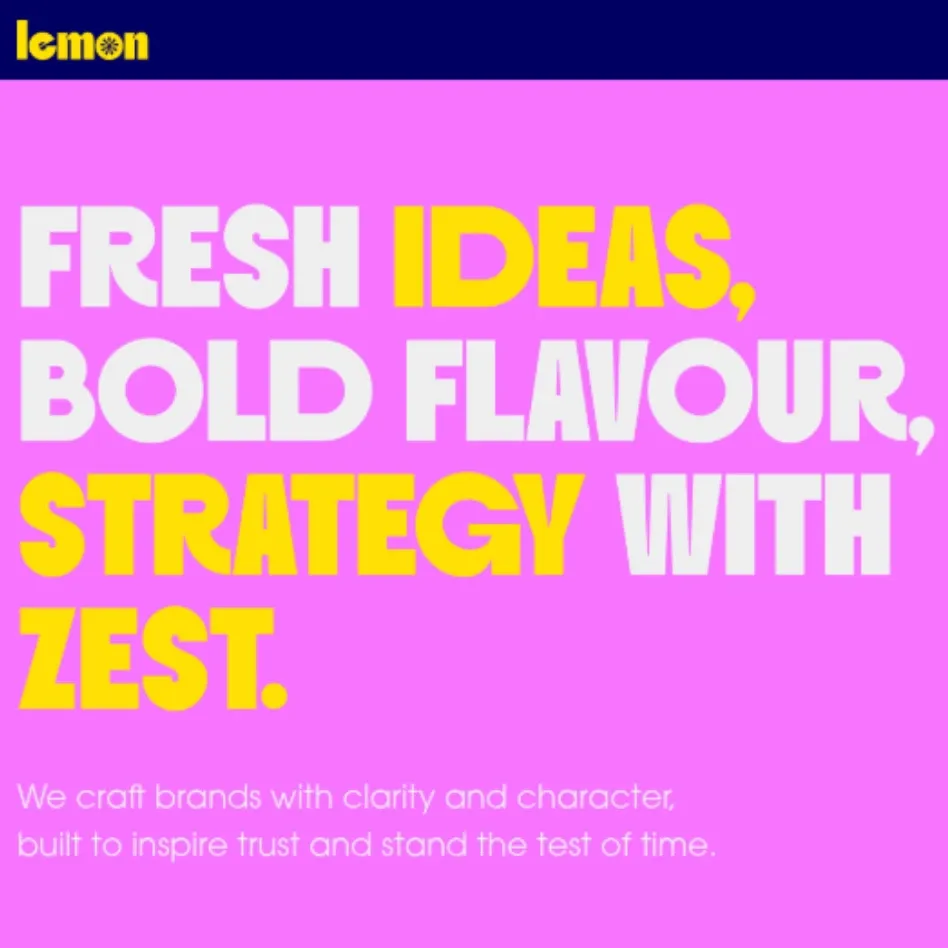
The result is a site that reflects Lemon's design sensibility while giving the studio a flexible content system to manage and grow their portfolio and blog independently. Lemon plans to launch the full site once they've grown their project catalogue to populate it properly. In the meantime, I built a placeholder landing page that represents the studio in the interim, so the site can go live now and transition seamlessly into the full CMS experience once they're ready.